
Dental Bridges in Fredericksburg & Spotsylvania, VA
Missing one or more teeth? A custom dental bridge restores your smile, your bite, and prevents the long-term shifting and bone loss that a gap causes. Dr. Ali Al-Douri at Reform Dentistry crafts natural-looking, durable bridges that blend seamlessly with your existing teeth.
What Is a Dental Bridge?
Filling the Gap — Permanently
A dental bridge is a fixed (non-removable) restoration that replaces one or more missing teeth in a row. It works by anchoring to the teeth or implants on either side of the gap. These anchor teeth receive custom-made crowns, and an artificial tooth — called a pontic — is fused between them to span the space. The result is a seamless, functional smile that feels and looks completely natural.
Why Replacing a Missing Tooth Matters
A gap in your smile is more than a cosmetic concern. When a tooth is lost, the surrounding teeth gradually shift or tilt into the empty space, disrupting your bite and making it harder to clean between them. The jawbone beneath the gap also begins to shrink over time — a process called bone resorption — which can change the shape of your face. A bridge stops these problems before they start.
Types of Dental Bridges
Traditional Fixed Bridge
The most common type. The teeth on either side of the gap are prepared for crowns, and the pontic is fused between them. Ideal when the neighboring teeth benefit from crowns regardless, or already have large fillings that need restoration.
Implant-Supported Bridge
Instead of crowning the natural teeth, two dental implants are placed at either end of the gap and the bridge is anchored to them. This option preserves the adjacent teeth completely, stimulates the jawbone (preventing bone loss), and is the gold standard for multi-tooth replacement.
Maryland (Resin-Bonded) Bridge
A conservative option for replacing a single front tooth, where the pontic is held in place by metal or porcelain wings bonded to the backs of the adjacent teeth — no crowns required. Best suited for patients with healthy neighboring teeth who are missing a front tooth.
The Bridge Process
Consultation & Planning
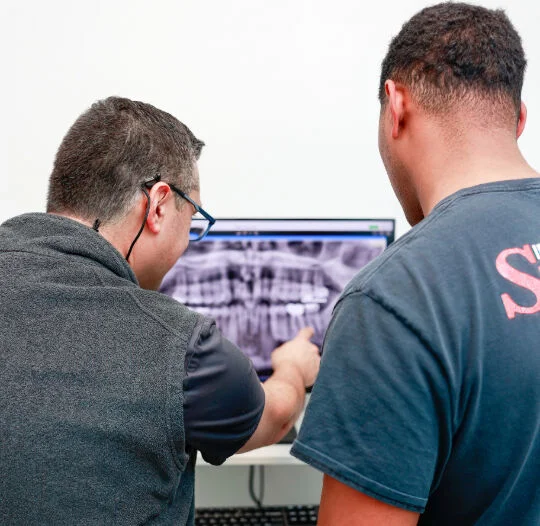
Dr. Al-Douri evaluates the gap, the health of your remaining teeth, and your jawbone with X-rays. He'll present all bridge options — including implant-supported options — and recommend the best approach for your specific situation.
Anchor Tooth Preparation
Under local anesthesia, the anchor teeth on either side of the gap are gently shaped so that the bridge crowns will fit naturally over them without appearing bulky. Any decay is also addressed at this stage.
Impressions & Temporary Bridge
Precise impressions of your prepared teeth and bite are taken and sent to our premium dental lab to custom-fabricate your bridge. A temporary bridge is placed to protect your teeth and maintain your smile while the permanent bridge is made (usually 1–2 weeks).
Permanent Placement
At your second visit, the temporary is removed, and the final porcelain bridge is carefully fitted, adjusted for perfect bite alignment, and permanently cemented. We'll also show you exactly how to clean under your bridge at home.
Why Choose Reform Dentistry for Your Bridge?
- Custom porcelain & zirconia options
- Shade-matched for a natural look
- Precision fit prevents future decay
- Implant-supported bridges available
- Comprehensive restorative expertise
- Flexible payment plans
- Sedation options for anxious patients
- Multilingual staff — Spanish, Farsi, Dari, Pashto
Serving Fredericksburg & Spotsylvania
Why Patients Love Us
- ★ 4.8 Star Google Rating
- ✓ Implant-Supported Bridges
- ✓ Metal-Free Restorations
- ✓ Flexible Payment Plans
- ✓ Sedation Options Available
Need a Dental Crown?
Protect a damaged or weakened tooth — same-day crowns available.
Learn About CrownsRelated Procedures
Explore other treatments we offer under General Dentistry.
Cleanings & Prevention
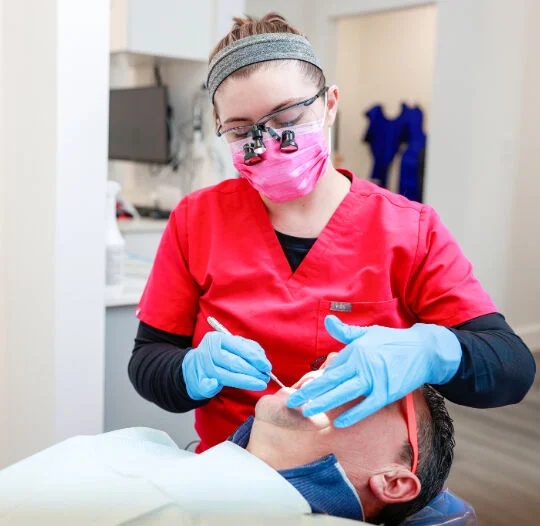
Routine exams and professional cleanings to keep your smile healthy and disease-free.
Dental Crowns
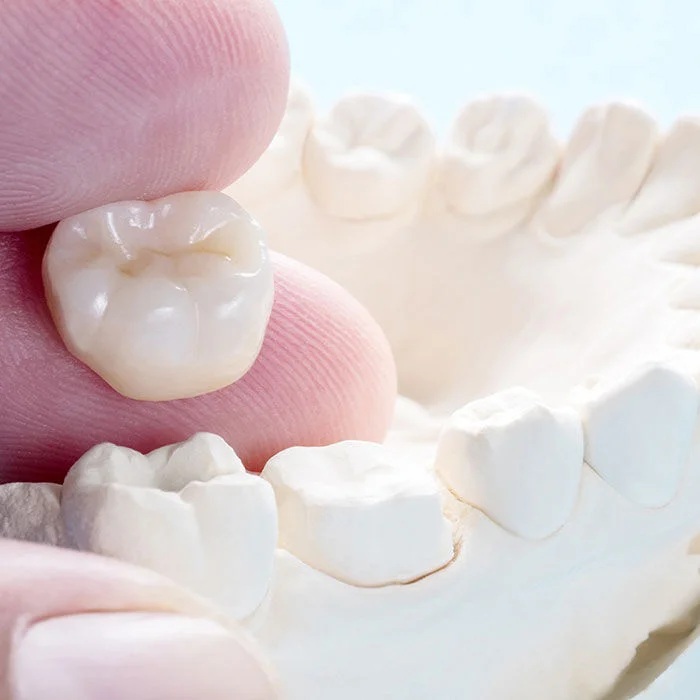
Protect damaged teeth with custom same-day or traditional crowns — metal-free and natural-looking.
Root Canal Treatment
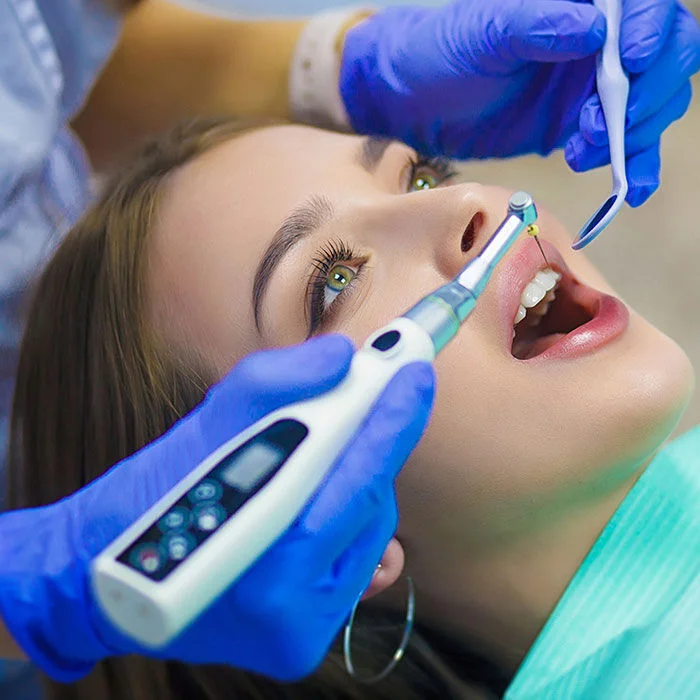
Relieve pain and save your natural tooth with expert endodontic care.
Dentures & Partials
Comfortable, custom-fitted dentures to restore your smile and chewing function.
Frequently Asked Questions
Common questions about dental bridges.
A dental bridge is a fixed restoration used to replace one or more missing teeth in a row. It 'bridges' the gap left by missing teeth by using the healthy natural teeth (or implants) on either side of the gap as anchors. These anchor teeth receive crowns, and an artificial tooth (called a pontic) is suspended between them to fill in the space.
A traditional bridge can typically replace one to three consecutive missing teeth. If more teeth are missing, or if the anchor teeth are not strong enough, implant-supported bridges may be a better option. Dr. Al-Douri will assess your specific situation and recommend the best approach.
A traditional dental bridge typically requires two visits spaced 1–2 weeks apart. At the first visit, the anchor teeth are prepared and a temporary bridge is placed. At the second visit, the final porcelain bridge is fitted and permanently cemented. An implant-supported bridge takes longer as it involves placing the implants and allowing time for healing before the bridge is attached.
With excellent oral hygiene and regular dental checkups, a high-quality bridge can last 10–15 years and often much longer. The key factors are keeping the anchor teeth healthy, cleaning under the bridge daily, and avoiding very hard or sticky foods that could dislodge or damage it.
Yes. We craft bridges using premium porcelain and zirconia materials that closely mimic natural tooth enamel. The pontic (artificial tooth) and crowns are all custom shade-matched to your surrounding teeth, making the restoration blend in naturally.
The crowns on the anchor teeth can be brushed and flossed normally. For under the pontic, you'll need to use a floss threader, super floss, or a water flosser to clean beneath the artificial tooth and along the gum. We'll show you the exact technique at your appointment.
Leaving a gap causes surrounding teeth to drift or tilt into the empty space, leading to bite problems, jaw pain, and difficulty cleaning, which increases the risk of decay and gum disease. Over time, the jawbone beneath the gap also shrinks due to lack of stimulation — a condition called bone resorption. Replacing the missing tooth promptly prevents all of these complications.
Both are excellent options. A dental implant replaces the tooth root and preserves the jawbone, and is generally considered the gold standard for long-term tooth replacement. A bridge is a faster, non-surgical option that works well when the adjacent teeth genuinely need crowns anyway. Dr. Al-Douri will walk you through both options based on your bone health, budget, and preferences.

Fill the Gap. Restore Your Smile.
A missing tooth doesn't have to be permanent. Our custom dental bridges restore full function and a natural-looking smile — and prevent the shifting and bone loss that a gap causes over time.
Book Appointment